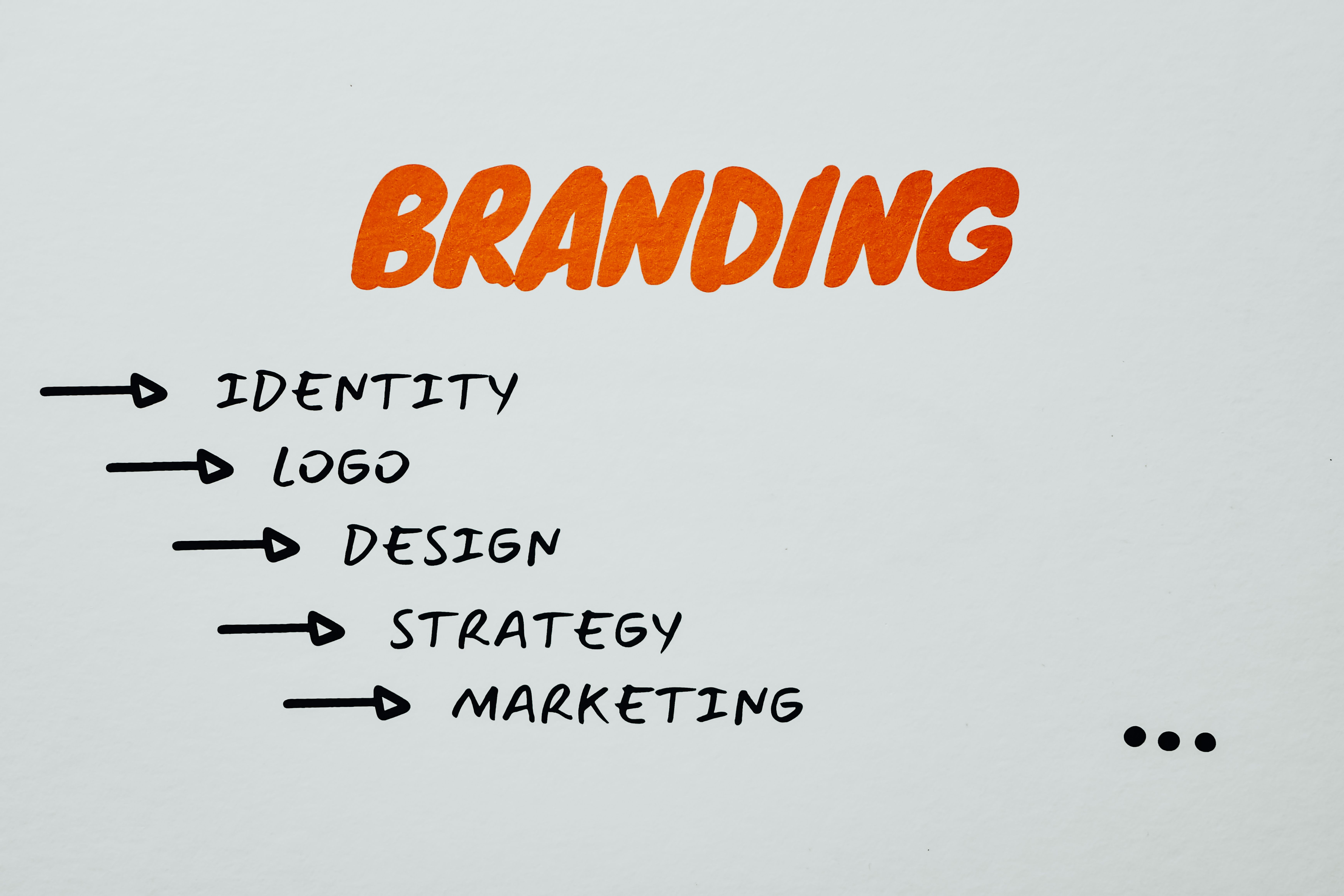

Branding myths vs. reality: does attention equal trust or true value?
There’s a lot of debate around what it means for a brand to be “strong.” As a branding expert, I’ve observed many brands invest heavily in advertising, influencers, and eye-catching billboards, building an identity that feels powerful and credible. Over time, these tactics can create a perception of strength and reliability.
But a provocative question remains: if all promotional activity stopped tomorrow, would we still choose these brands? Or are we simply selecting them because they’re the most familiar?
Key considerations for real branding:
– Trust vs. visibility: Is the brand earning genuine trust beyond flashy campaigns?
– Value and consistency: Do products or services deliver consistent quality that reinforces brand promises?
– Recognition vs. differentiation: Is broad recognition translating into a meaningful, differentiated customer experience?
– Longevity of influence: Can the brand maintain relevance without constant advertising and sponsorships?
What does true branding stand for in practice? Is it about real trust built through consistent customer experiences, or is it primarily driven by ad budgets and frequent visibility?
If you’re rebuilding or evaluating a brand, consider focusing on:
– Core values and promises that resonate with your audience
– Consistent quality and reliable delivery
– Clear differentiation based on customer benefits, not just loud messaging
– A sustainable content and experience strategy that maintains presence without relying solely on paid reach
I’d love to hear from the community: what do you believe constitutes real branding in today’s landscape?